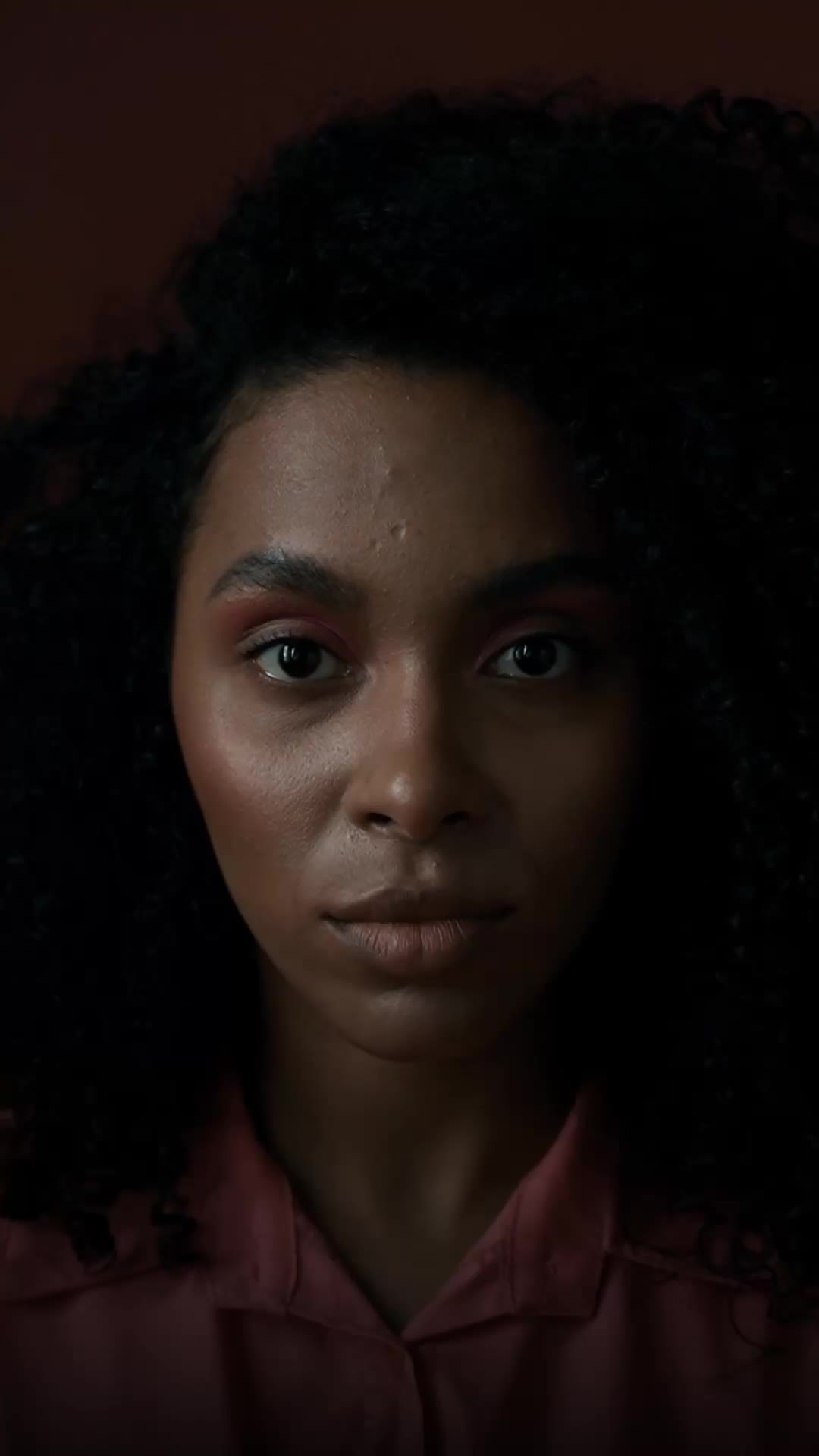

Security cameras mount high for good reason—comprehensive coverage and tamper protection. But at 15-30 feet away, in shadows, twilight, or poor lighting, a fundamental physics problem emerges. Cameras receive exponentially less usable data as distance and darkness combine. Standard facial recognition fails not because of bad technology, but because sensors literally can't capture enough information. Add backlighting from windows or streetlights, and even the best systems struggle to distinguish family from strangers.
This explains why security systems fail when you need them most. Early morning joggers trigger alerts. Evening visitors go unrecognised. Your own family gets flagged as intruders returning after dark. Night shift workers face constant authentication failures. It's not poor technology—it's physics that no one solved. When cameras can't gather sufficient data in challenging conditions, current AI models have nothing reliable to work with.
FaceAI takes a fundamentally different approach. Instead of forcing AI to guess from insufficient data, we developed adaptive physics that recovers information others consider lost. Our system dynamically adjusts to each unique combination of distance, lighting angle, and environmental conditions. Whether it's dawn shadows, dusk silhouettes, or midnight darkness, we extract identifying features that standard cameras miss. This is why you can keep your older network IP cameras—we equip them with intelligent eyesight. The result isn't just enhanced visibility—it's consistent recognition regardless of conditions.
Now your security actually works around the clock. Recognize family members returning at night. Identify regular visitors in early morning shadows. Distinguish between harmless activity and genuine threats—even in challenging lighting. One breakthrough that transforms passive cameras into intelligent guardians that never sleep, never guess, and never fail just because the sun went down. Finally, security that protects everyone, everywhere, always.